How to Follow Up With Horse Business Inquiries So You Don't Get Ghosted (Without Being Pushy).
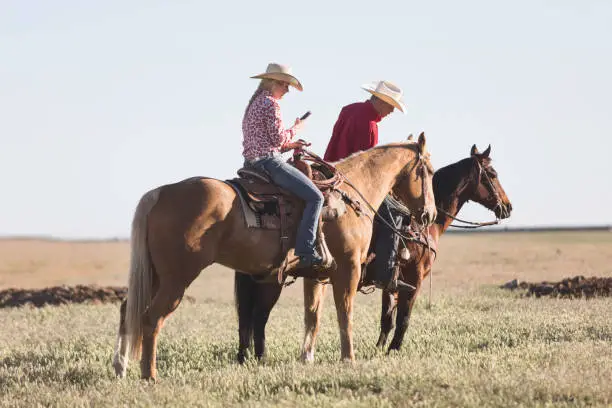
Someone asks about your training program, boarding availability, or equine services. You answer their question and send the details.
Then they stop responding.
This doesn't always mean they've lost interest. They may be comparing options, checking their budget, waiting on a date, or unsure what to do next.
A clear equine client follow-up process helps you find out whether someone still needs your service without sending repeated messages or wasting time.
Here's how to track inquiries, follow up at the right time, and turn more interested horse owners into booked clients.
Table of Contents
1. Why Horse Business Inquiries Go Quiet
2. Answer Questions Before Asking for a Booking
3. Use a Simple Follow-Up Sequence
4. Know When to Stop Following Up
6. Track Every Inquiry in One Place
1. Why Horse Business Inquiries Go Quiet
When a potential client stops responding, the first step is to understand what may be holding them back. Common reasons include:
Reason | What It Means | What to Do |
|---|---|---|
Price | They're comparing costs or checking their budget | Explain what's included and confirm the price |
Timing | They aren't ready to book | Ask when they plan to start |
Unclear service | They don't know if your service fits their needs | Explain the service and who it's for |
Comparing options | They're talking to other providers | Share relevant details that help them compare |
Booking friction | They don't know how to move forward | Send a direct booking link or clear instructions |
Changed plans | They no longer need the service | Confirm and close the inquiry |
Don't assume every quiet inquiry needs more follow-up messages. Sometimes the first response doesn't give the client enough information to make a decision.
Review what you sent before following up.
Action: Look at your last ten inquiries that didn't turn into bookings. Check whether each person received a clear price, service details, and next step.
For more ways to attract qualified inquiries, read How to Get More Clients for Your Equine Business.
2. Answer Questions Before Asking for a Booking
Your first reply should help you understand what the client needs. Then give them enough information to decide whether your service is a good fit.
For horse training inquiries
A horse owner asks: "Do you have any training spots open?"
Instead of sending only your available dates, ask what they're looking for.
Example reply: "Hi [Name], thanks for reaching out. What are you hoping to work on with your horse?"
Once they respond, explain:
Whether you offer that type of training
What the program includes
How long it lasts
What it costs
Your next available dates
How to book or request an assessment
Don't promise a training result you can't guarantee.
For boarding inquiries
A horse owner asks: "How much is board?"
Example reply: "Hi [Name], our full board starts at $[price] per month and includes [main services]. What type of care does your horse need, and when are you looking to move?"
Once you know their needs, confirm:
Available boarding options
What each option includes
Monthly price and extra fees
Facility rules and requirements
Whether a stall or pasture space is available
How to schedule a tour or apply
For equine service inquiries
A client asks about a farrier, bodywork, or another mobile service.
Example reply: "Hi [Name], thanks for reaching out. What service do you need, and where is your horse located?"
Then provide:
Service availability
Price and travel fees
Appointment length
Any preparation requirements
Booking instructions
Check your website information
If clients ask the same basic questions each week, add the answers to your website.
Include service details, prices or quote instructions, service areas, and booking steps.
This helps visitors decide whether to inquire and reduces the number of messages needed before booking.
Learn more in How to Turn Your Equine Website Into a Source of Client Inquiries.
3. Use a Simple Follow-Up Sequence
Create a standard schedule for inquiries that don't turn into bookings. Start with three messages over five days. Use this sequence only when you have permission to contact the person. Adjust the timing if the client gives you a specific date or asks you to contact them later.
Day 0: Reply to the inquiry
Goal: Understand what the client needs and explain the next step.
Horse trainer example: "Hi [Name], thanks for asking about training. What are you hoping to work on with your horse? I can help you find out if our program is a good fit."
Boarding facility example: "Hi [Name], thanks for asking about board. What type of care does your horse need, and when are you looking to move?"
Equine service provider example: "Hi [Name], thanks for reaching out. What service do you need, and where is your horse located? I'll check our availability."
Once they reply, answer their questions and provide booking details.
Day 2: Send a helpful follow-up
Goal: Find out whether they still need the service and offer a clear next step.
Horse trainer example: "Hi [Name], are you still looking for help with [training goal]? I can send our program details and available assessment times if you'd like."
Boarding facility example: "Hi [Name], are you still looking for board starting around [date]? Let me know if you'd like the care details or to schedule a barn tour."
Equine service provider example: "Hi [Name], are you still looking to book [service]? I can send the available appointment times if you'd like."
Use the details from the original conversation so the message relates to what they asked about.
Day 5: Send a final check-in
Goal: Give the client one last chance to respond and close the follow-up sequence.
Horse trainer example: "Hi [Name], checking in one last time about [training service]. If you'd like to move forward, here's the booking link: [link]. If your plans have changed, no problem."
Boarding facility example: "Hi [Name], checking in one last time about boarding. If you're still looking, you can request a tour here: [link]. If you've found another barn, no problem."
Equine service provider example: "Hi [Name], checking in one last time about [service]. You can request an appointment here: [link]. Let me know if you have any questions."
If they don't respond, stop the sequence.
Follow-Up Schedule at a Glance
Timing | Action | Purpose |
|---|---|---|
Day 0 | Reply to inquiry | Understand needs and explain service |
Day 2 | Helpful follow-up | Answer questions and offer next step |
Day 5 | Final check-in | Offer booking link and close sequence |
After Day 5 | Stop routine follow-ups | Avoid unwanted messages |
If someone responds at any point, stop the scheduled sequence and continue the conversation based on their needs.
4. Know When to Stop Following Up
A follow-up system needs clear stopping rules. Without them, you risk sending messages to people who have booked, declined, or no longer want contact.
Stop follow-ups when:
The client books. Move them into your booking process. Send the appointment confirmation and any needed forms.
The client says no. Thank them and close the inquiry.
The client asks you to stop. End marketing and follow-up messages through that channel. Record their preference.
The client gives you a future date. For example, if someone says they plan to move barns in March, ask whether they'd like you to check back closer to that date. Record the agreed date instead of continuing the five-day sequence.
The final message gets no reply. Mark the inquiry as closed or inactive. Don't keep sending the same request.
Use clear inquiry statuses
Set up these statuses in your client tracker:
New inquiry
Waiting for client reply
Follow-up due
Future follow-up agreed
Booked
Closed — not interested
Closed — no response
Do not contact
These statuses help you see which inquiries need action and which ones are complete.
5. Make the Next Step Easy
Every follow-up should give the client one clear action to take. Avoid sending several links or asking multiple questions in one message.
Match the next step to the service
Business | Next Step |
|---|---|
Horse trainer | Request a training assessment |
Boarding facility | Schedule a barn tour |
Riding instructor | Book an introductory lesson |
Farrier | Request an appointment |
Equine bodyworker | View available appointment times |
Horse transporter | Request a transport quote |
Use direct booking links
Instead of: "Let me know when you're free and we'll work something out."
Use: "You can view our available lesson times and request a booking here: [link]."
If the service needs approval before booking, use a request form rather than an instant booking calendar.
Reduce booking steps
Review how many actions a client needs to take before confirming an appointment.
For example:
Long process:
Client sends an inquiry.
You ask for their availability.
Client sends several dates.
You check your calendar.
You suggest another date.
Client confirms.
You enter the booking.
Shorter process:
Client submits an inquiry.
You confirm the right service.
Client selects an available time or submits a booking request.
The system sends a confirmation.
Keep the process as short as your service allows.
6. Track Every Inquiry in One Place
A follow-up sequence only works if you know who needs a response. Use a spreadsheet or customer relationship management (CRM) tool to track inquiries.
Start with these fields
Field | Example |
|---|---|
Client name | Sarah Jones |
Contact information | Phone and email |
Service requested | 30-day training |
Lead source | Website |
Inquiry date | November 10 |
Last contact | November 10 |
Status | Waiting for reply |
Next action | Follow up November 12 |
Notes | Interested in groundwork |
Update the record after each conversation.
Track where inquiries come from
Record whether the client found you through:
Google
Your website
Facebook
Instagram
Client referral
Another local business
This helps you measure which marketing activities bring in interested horse owners.
Review your inquiry tracker each day
Check three things:
Which new inquiries need a first reply?
Which follow-ups are due?
Which clients have replied and need booking details?
Then review your results each week.
Measure your inquiry-to-booking rate
Use this formula:
Bookings ÷ qualified inquiries × 100 = booking rate
Example: You receive 20 qualified inquiries. Five people book.
Your booking rate is 25%.
Now suppose you improve your response and follow-up process and book eight of the next 20 qualified inquiries.
Your booking rate rises to 40%.
That's three more bookings from the same number of inquiries. This is an example, not a promised result. Track results over time to see whether your changes help.
7. Automate Follow-Up Without Losing the Personal Touch
Once you have a follow-up process that works, use equine lead management software to handle repeat steps.
Tasks you can automate
Recording website inquiries
Sending inquiry confirmations
Reminding you when a reply is due
Sending approved follow-up messages
Updating lead statuses
Sending booking confirmations
Stopping inquiry follow-ups after booking
Keep service questions personal
Automation works best for steps that repeat.
A training inquiry about a horse's behavior may need a personal response before you suggest a program.
A boarding inquiry about special care needs may require a conversation before you offer a space.
Use automation to track the inquiry and send standard messages. Review the details that need your judgment.
Test your follow-up system
Before turning on automation:
Submit a test inquiry.
Check that the contact record is correct.
Confirm the first message sends as planned.
Test the follow-up timing.
Check that replies stop the sequence.
Check that bookings stop the sequence.
Test the opt-out process.
Review the system after launch to catch errors.
One Gate System for Equine Lead Management
One Gate System by ScaledUp Solutions helps horse businesses manage inquiries, client records, messages, bookings, and follow-ups in one place.
You can use its CRM and follow-up tools to track new leads and reduce manual reminders.
This helps you see which inquiries need attention without searching through separate message threads.
8. Equine Client Follow-Up Checklist
Use this checklist to review your inquiry process.
First Response
I record every new inquiry.
I ask what service the client needs.
I answer questions about the service.
I share pricing or quote instructions.
I explain the next step.
I include a booking link when appropriate.
Follow-Up
I have a standard Day 2 follow-up.
I have a final Day 5 message.
I use details from the original inquiry.
I stop follow-ups when someone replies or books.
I stop messages when someone declines or opts out.
I record future follow-up dates when agreed.
Inquiry Tracking
Every inquiry has a status.
I record where each inquiry came from.
I track the last contact date.
I assign a next action when needed.
I review open inquiries each day.
I measure inquiries and bookings each week.
Automation
Website inquiries go into my client tracker.
New inquiries receive a confirmation.
Follow-up reminders use a set schedule.
Booked clients leave the inquiry sequence.
I test automated messages before using them.
What to Set Up First
Start with these four actions:
Create one tracker for all inquiries.
Write your first response and two follow-up messages.
Add a clear booking link or request form.
Review open inquiries at the same time each day.
Once these steps work, automate the repeat tasks.
Keep Track of Horse Business Inquiries With One Gate System
A useful equine client follow-up process needs three things: a record of each inquiry, a clear next step, and a stopping point.
One Gate System by ScaledUp Solutions brings lead tracking, client communication, booking tools, and follow-up automation into one platform.
Use it to:
Keep new inquiries in one place
Track conversations and next steps
Send inquiry follow-ups
Manage online bookings
Reduce missed responses
See which leads turn into clients
Get Started With One Gate System
Disclaimer
This article provides general business education and advice only. It does not replace professional legal, tax, financial, or veterinary advice. Examples, prices, and calculations are illustrative unless stated otherwise. Results are not guaranteed and vary by business, market, and implementation. Assess whether each recommendation suits your circumstances and seek qualified advice where needed.
Related Articles